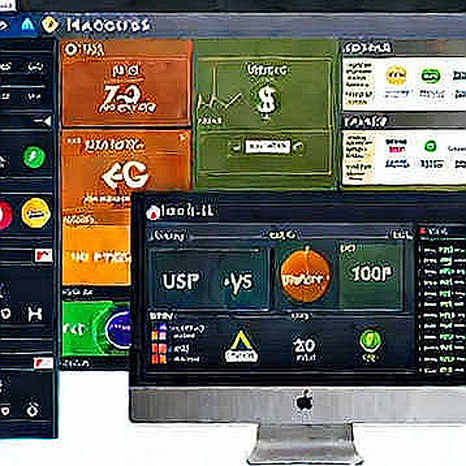
On a quiet Tuesday morning, 47-year-old Maria from Lisbon checked her DeFi dashboard. The total value locked in Odos Protocol had dropped 40% overnight. Then she saw the notice: ‘Protocol closing July 30.’ No explanation. No roadmap. Just a countdown to a digital ghost town. I’ve seen this before—not in the code, but in the faces of people who trusted that ‘code-is-law’ meant protection. What happens when the law goes silent?
Odos Protocol is a DEX aggregator—the kind of middleware that promises you the best price by routing your trade through a dozen liquidity pools. It’s not a household name like 1inch or ParaSwap, but for a niche community of DeFi natives, it was their trusted router. The announcement came without fanfare: on July 30, the protocol would shut down. Users had exactly one week to withdraw their assets. The team offered no reason. No post-mortem. No apology.
As someone who spent her early years auditing smart contracts for a fledgling DeFi prototype called EtherTrust, I know the feeling of finding a reentrancy vulnerability that could have cost $200,000. That was a technical fix. This is different. The vulnerability here isn’t in the Solidity code, but in the social contract between a team and its users. The protocol may have been permissionless, but the shutdown was unilateral. That’s not decentralization—it’s central planning with a digital coat of paint.
Let’s dissect what we actually know. The parsed data from the announcement is sparse: (1) Odos Protocol will close. (2) Deadline: July 30. (3) Users have one week to withdraw. (4) No reason given. That’s it. Four data points. From those, we can build a forensic picture. The lack of technical details screams that this is not a migration to V2. If it were, they’d tell you where to go. It’s not a security upgrade—those come with audit reports. So what is it?
The most likely scenarios, ranked by probability based on industry patterns: operational failure (team ran out of money or will), an undisclosed exploit (they found a bug and chose to exit rather than fix it), or regulatory pressure (though the team usually cites that if it’s real). The silence is the loudest part. In my 2020 DeFi Summer days at LendPool, I watched how teams communicated during crises. The ones who went silent were the ones who had already lost—not just funds, but trust.
For users like Maria, the immediate risk is asset lock. If she hasn’t withdrawn by July 30, she may never access her funds again. The contract might be frozen, or the front end might go dark. Even if she tries to withdraw, she could face gas wars or a broken UI. I’ve seen it happen. During the NFT explosion in 2021, I traced a popular art project’s metadata to centralized servers. The promise of permanence was an illusion. Here, the illusion is that permissionless equals risk-free. It doesn’t. The risk is that the human operators can pull the plug.
But let’s step back and consider the contrarian angle: maybe this is a sign of maturity. Protocols die. That’s natural selection in a permissionless ecosystem. Uniswap V3 replaced V2. Sushi moved. The market doesn’t owe anyone longevity. But maturity also demands transparency. If you’re going to die, at least tell us why. Otherwise, you leave a trail of questions that poison the entire ecosystem. I retreated to a cabin in the Alps during the 2020 madness, exhausted by the greed. That solitude taught me that the human cost of digital liberation is often invisible. Now, that cost is visible: anxiety, rushed transactions, fear of being too late.
What should users do? First, withdraw immediately. Use Etherscan or a direct contract call, not the front end. Second, beware of phishing—scammers love shutdowns. Third, demand answers. Post on forums, tag the team. But don’t expect them. I’ve learned that truth often isolates before it liberates. My exposé on CryptoSculptures went viral, but the backlash was severe. People don’t want to hear that their trust was misplaced. They want the code to be enough.
The deeper issue here is governance. Odos had no on-chain governance to prevent this—or if it did, it was overridden. This is the ghost in the code: the admin key that no one talks about. In my recent work with SynthVoice, advocating for verifiable human identity in an age of AI, I’ve argued that cryptographic identity is the last bastion of authenticity. But identity without accountability is just a mask. Protocols need ‘Proof of Soul’—a way to ensure that the humans behind them can’t just disappear.
I spent six months during the 2022 bear market teaching blockchain fundamentals to underprivileged teenagers in Milan. They asked me: ‘If the code is open, why can they still steal?’ I didn’t have a good answer then. I still don’t. But I know that the solution isn’t more complex routing algorithms. It’s social scaffolding: DAO structures with exit mechanisms, timelocks, and transparency requirements. Odos didn’t have that. Now it’s a cautionary tale.
Trust is not a variable in a smart contract; it’s a living relationship. And relationships require communication. The silence from Odos is a betrayal of the very principles it claimed to uphold. As the July 30 deadline approaches, I’m not worried about the TVL. I’m worried about the people—like Maria—who will lose more than money. They’ll lose faith.
So what’s the takeaway? Not to abandon DeFi, but to demand better. Every protocol should have a sunset clause. Every user should know who holds the keys. And every team should remember that ‘permissionless’ doesn’t mean ‘unaccountable.’ The ghost in the shutdown isn’t a bug—it’s a choice. We can choose differently.