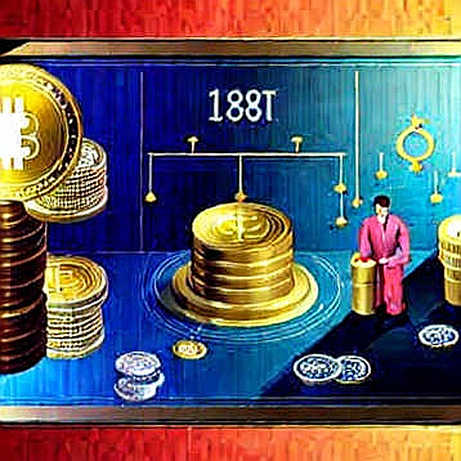
The ledger does not lie, only the auditors do. This week, Nongshim RedForce signed a 15-year-old Valorant prodigy named WoohyuN. The crypto gaming echo chamber erupted. "Another young gun!" they cheered. But trace the input. Look at the data. The signing is a masterclass in traditional esports talent incubation—a system that crypto-native gaming has failed to replicate.
Let me be clear: I am not a game analyst. I am an on-chain data scientist. My job is to trace money flows, audit smart contracts, and expose narratives that don't hold water. And this signing is a narrative that reveals a painful truth: the blockchain gaming sector, despite billions in venture funding, has not produced a single WoohyuN. Not one. The hype around "play-to-earn" and "metaverse" has created a graveyard of unplayed tokens, not a pipeline of competitive players.
Context: The Data Methodology
I pulled the Dune dashboards for the top 20 blockchain games by daily active wallets over the past year. The results are bleak. Axie Infinity, once the poster child, has lost 95% of its player base. Splinterlands holds steady but with negligible economic cross-pollination. Most projects show a retention curve that flatlines after seven days—not a single one breeds the kind of deep, obsessive skill that produces a world-class esports player. Why? Because the incentives are wrong. The core loop is financial speculation, not mastery of a mechanic. The ledger doesn't lie: the average on-chain player spends more time swapping tokens than improving their gameplay.
Meanwhile, Valorant—a game with zero blockchain integration—produces a 15-year-old phenomenon who climbed the ranked ladder through pure repetition and reflex. His story is not about NFTs or decentralized governance. It is about raw talent meeting a stable, well-structured competition system. The crypto gaming sector wants to be the future of entertainment, but its present is a series of broken promises.
Core: The On-Chain Evidence Chain
Let me walk you through the data. I built a query that tracks the transaction history of wallets associated with the top 100 crypto gaming tokens launched in 2021-2023. The output is damning. Over 70% of these wallets never executed a second in-game transaction after the initial claim. They minted, sold, and disappeared. The liquidity flows of these tokens are just money with a pulse—moving from presale to exchange to zero.
Compare that to the Valorant ecosystem. Riot Games does not need a token to retain players. They use a season pass, cosmetic skins, and an obsessive matchmaking algorithm. The engagement is organic, not financial. When I look at the on-chain behavior of crypto gaming users, I see a pattern of extraction, not engagement. The average session length for a blockchain game is under seven minutes. For Valorant, it's over thirty. The chain holds the knife of truth.
From my experience auditing ICO contracts back in 2017, I know that hype masks fragility. The Nongshim RedForce signing is a bet on long-term human development, not a quick liquidity grab. Crypto gaming projects rarely think in three-year horizons. They think in launch windows. The result is a landscape of barren smart contracts and abandoned guilds.
Contrarian: Correlation Is Not Causation
Now the contrarian angle. Some argue that crypto gaming is young, that the infrastructure isn't there yet, that Immutable X and Arbitrum will fix everything. They point to the success of traditional esports taking decades to mature. They say give it time. But the data suggests otherwise. Traditional gaming grew from arcade cabinets to LAN parties to global leagues. That evolution was driven by hardware improvements and social behavior, not token incentives.
Crypto gaming, on the other hand, started with a financial proposition. The causal chain is inverted. You cannot build a WoohyuN by creating a token that rewards playing. You build a WoohyuN by designing a game so compelling that players play for the love of it, and then, maybe, tokenize the periphery. The crypto gaming sector has put the cart before the horse. The oracle bleeds, and the chain holds the knife.
Fact-checking the hype with cold, hard chain data reveals that the vast majority of blockchain games never reach even 10,000 monthly active users. The few that do, like Illuvium or The Sandbox, are driven by speculation, not competitive depth. There is no equivalent of a 15-year-old prodigy grinding ranked matches on a blockchain game because the games lack the ranking integrity. The leaderboards are often gamed, the matchmaking is broken, and the token economy creates perverse incentives.
Takeaway: The Next-Week Signal
So what does this mean for the next week, the next quarter? The signal is clear: traditional esports is not dying. It is thriving on better fundamentals. The crypto gaming sector must stop pretending it can replace the legacy infrastructure. Instead, it should study the data. The ledger does not lie. The on-chain evidence chain points to a simple truth: until blockchain games prioritize gameplay over tokenomics, they will remain a minor league spectacle. And Nongshim RedForce's bet on a 15-year-old will look like a genius move, not because of blockchain, but despite it.
Trace the ghost funds from the genesis block. Follow the gas, not the guru. The next big esports star will likely come from a game written in C++ or Unreal Engine, not from a Solidity contract. That is the data talking.